
Los Angeles gate and fence permit guide: what each city actually requires
Gate and fence permit rules across Greater Los Angeles are not uniform. A fence that needs a permit in Santa Monica might not need one in Burbank. This guide breaks down what each major jurisdiction requires, city by city.
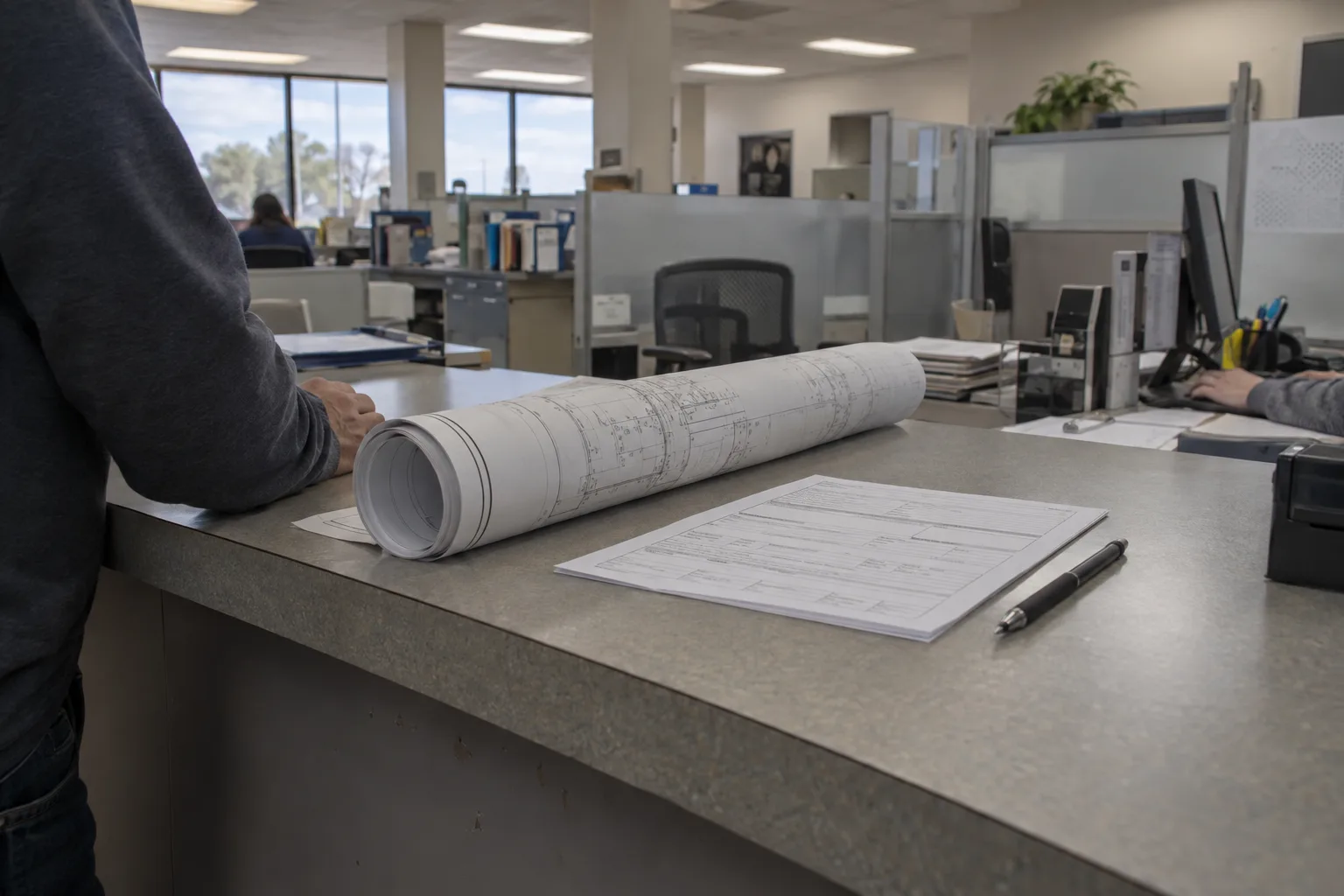
Gate and fence permit rules in Greater Los Angeles are not uniform
Each city sets its own thresholds.
A fence that needs a permit in Santa Monica might not need one in Burbank. An automatic gate that sails through approval in unincorporated LA County might trigger a full plan check inside the City of Los Angeles. This guide breaks down what each major jurisdiction actually requires, so you can plan your project with accurate information from the start.
Why Encino and the San Fernando Valley make this question complicated
Greater Los Angeles sits inside LA County, but that county contains 88 incorporated cities. Each one operates its own building department.
Iron Man Gates & Fencing is based on Ventura Blvd in Encino. That address sits within the City of Los Angeles, but drive ten minutes in any direction and you're in a different jurisdiction entirely. Sherman Oaks is also City of LA. Burbank is not. Glendale is not. Unincorporated pockets of the Valley fall under LA County Building and Safety, a completely separate permitting authority from the City of Los Angeles Building and Safety Department.
Here is what most homeowners do not realize: a contractor's familiarity with City of LA rules does not automatically transfer to Burbank or Glendale. Those cities have different code adoption cycles, different plan check processes and different inspectors.
The San Fernando Valley sits at the intersection of multiple jurisdictions. A homeowner straddling a neighborhood boundary can face two entirely different sets of rules on the same street. Knowing which authority applies to your property is the first step, and it is not always obvious.
The city-by-city permit breakdown for gates and fences
Permit rules split by jurisdiction, and the differences are significant.
This section covers the five most relevant permitting authorities for homeowners across Greater Los Angeles. All thresholds referenced here are drawn from publicly available municipal code provisions and the California Residential Code baseline requirements, the state level baseline that individual cities may amend to be stricter.
City of Los Angeles: Los Angeles Municipal Code (LAMC)
The City of Los Angeles follows fence and wall provisions in the Los Angeles Municipal Code, the city code governing fence height limits and permit triggers for all properties within city boundaries. Under LAMC, a building permit is required for:
- Fences over 3.5 feet in the front yard or street-facing side yard
- Fences over 8 feet in rear and interior side yards
- Any retaining wall over 4 feet from the bottom of the footing to the top of the wall
Automatic driveway gates almost always require a permit inside the City of LA, regardless of height. The reason: automatic gate operators must comply with UL 325, the Underwriters Laboratories safety standard mandating entrapment protection, safety reverse and edge sensing on all automatic gate systems. The city's building department reviews compliance as part of gate permit approval. If you are planning automatic driveway gate installation, understanding this requirement upfront saves time.
The permitting authority is the Los Angeles Department of Building and Safety (LADBS). Permits can be applied for through the city's online portal. Plan check times vary. Projects involving electrical work for gate operators typically fall under California's C-10 electrical contractor trade classification, the category that covers gate operator wiring.
Encino, Sherman Oaks, Studio City, Tarzana and Van Nuys are all within the City of Los Angeles. They use LADBS, not a separate city building department. For properties with swimming pools, pool fence installation must also meet LAMC permit triggers and code compliance requirements specific to pool barrier enclosures.
Burbank
Burbank is an incorporated city with its own Building Division, entirely separate from LADBS and LA County Building and Safety. Burbank follows the California Residential Code as its baseline, with local amendments.
- Fences over 6 feet in height typically require a permit
- Front yard fences may be subject to lower height limits under zoning rules
- Automatic gates require permits and must meet UL 325 safety requirements
Burbank's Building Division handles fence and gate permits through their City Hall permitting counter and online services. Because Burbank has its own inspection schedule, timelines can differ from City of LA projects. Projects near the Burbank Airport influence zone may also have additional review layers.
Glendale
Glendale operates its own Building & Safety Division and has adopted the California Building Code with local amendments.
- Fences over 6 feet generally require a building permit
- Fences in required front yard setbacks are subject to height restrictions under zoning, regardless of permit status
- Automatic driveway gates require permits and UL 325 compliance, same as City of LA
Glendale's hillside neighborhoods add a layer of complexity. Properties in the Verdugo Mountains footprint may face additional grading review if fence posts require significant excavation, a real consideration for any sloped lot project in that part of the city.
Santa Monica
Santa Monica is a small, dense city with its own Building and Safety Division. It consistently adopts more stringent local amendments than inland cities.
- Front yard fence height limits are strict, typically 3.5 feet or less before a permit is required
- Rear yard fences over 6 feet typically require a permit
- Automatic gates require a building permit and may involve coordination with planning for design review in some districts
- Coastal proximity means aluminum or marine grade steel components are advisable, since salt air from the Pacific accelerates corrosion on standard powder coated iron within 5 to 10 years depending on distance from the waterline
Santa Monica's permitting timeline tends to run longer than inland jurisdictions. Design review requirements in certain neighborhoods can add additional steps before a permit is issued.
Unincorporated LA County: Los Angeles County Building and Safety (LACBS)
Areas not inside any incorporated city fall under the LA County Building and Safety Department, a completely different agency from LADBS. Many homeowners in the San Fernando Valley confuse these two. They are not the same. Unincorporated pockets exist throughout the Valley and across Greater LA. If your property address does not fall within an incorporated city, LACBS is your permitting authority.
- Fences over 6 feet generally require a permit in residential zones
- Automatic gates require permits and UL 325 compliance
- Pool fencing must comply with California Health & Safety Code section 116049, which mandates self-latching, self-closing gates on any pool barrier. This applies countywide and is not waivable
LACBS operates regional offices. The East Los Angeles area office and the San Fernando Valley area office serve different parts of the county. Knowing which office handles your parcel matters for permit submission.
How permit gaps create problems for LA homeowners
Unpermitted fences and gates create real complications, and they surface at predictable moments.
At escrow
California real estate law requires sellers to disclose known unpermitted improvements, a requirement known as Unpermitted Work Disclosure. An automatic gate or wood privacy fence installed without a permit becomes a disclosure item. Some buyers walk. Others demand price reductions or require the seller to permit the work retroactively before closing. Retroactive permitting can be slow and expensive, especially if the work does not meet current code.
During a remodel or addition
When a homeowner pulls a permit for a new addition or ADU, the building inspector reviewing that permit has access to the property's permit history. An existing unpermitted gate or fence can come up during that unrelated inspection and require resolution before the new permit closes out. The timing is disruptive.
After a wildfire
In fire hazard severity zones, including parts of Chatsworth, Granada Hills, Northridge and the Malibu corridor, replacement fencing after a fire event must meet current code. If the original fence was unpermitted, the rebuild starts from scratch with full permit requirements. Having a permitted record of the original installation simplifies the replacement process significantly.
The common thread: permit issues rarely surface when things are going smoothly. They appear at high-stakes moments when the cost of delay is greatest.
For properties in high-fire areas, be aware there may be additional restrictions in LA wildfire hazard zones that layer on top of standard city or county permitting rules, affecting material choices, setbacks and the scope of what requires review.
What we see when we start a project in a new city
We have worked on gate and fence projects across more than 50 cities in Greater Los Angeles. One thing we know for certain: the permit question is never the same twice.
We have had projects in adjacent neighborhoods, one inside the City of LA, one in unincorporated county territory, where the permit thresholds were completely different. The homeowners assumed the rules were identical because they lived a quarter mile apart.
We have done gate installations in Santa Monica where the design review process added three weeks to the schedule. We have done the same style of gate in Van Nuys, City of LA jurisdiction, and had the permit in hand within days through the online portal.
One thing we see homeowners get tripped up on: assuming that because a neighbor got their fence installed without a permit and nothing happened, the same outcome is guaranteed. Permit enforcement in Los Angeles is not uniform. But the disclosure requirement at resale is. That situation has a way of surfacing at the worst possible time.
Our approach with every project: we identify the exact jurisdiction before we quote the job. That means looking up the parcel, confirming the permitting authority and checking the current threshold rules. It adds maybe 20 minutes to the planning process. It has saved clients weeks of problems.
Iron Man Gates & Fencing, Encino
When a project benefits from a contractor who knows the permit process
Permit-ready project planning starts before the first post goes in the ground.
Working with a contractor who handles permitting as part of the project, not as an afterthought, makes sense when any of these apply.
- Your project includes an automatic gate operatorUL 325 compliance is required everywhere in California. Gate operator wiring typically falls under the C-10 electrical trade classification. These are not optional steps.
- Your property is in a hillside zoneSlope-adjacent fence installations in cities like Glendale, Burbank and within the City of LA's hillside overlay zones may require grading review in addition to a standard fence permit.
- Your project involves a pool barrierCalifornia Health & Safety Code section 116049 applies statewide. Pool fence gates must be self-latching and self-closing. This is a compliance-driven requirement, not a style choice.
- You are planning to sell the property within the next few yearsPermitted work is documented work. It survives an escrow inspection without triggering disclosure complications.
- You are not certain which jurisdiction your property falls underIf you are unsure whether your address is City of LA, unincorporated county, or one of the 88 incorporated cities, that is a signal to get the answer confirmed before any work begins.
Understanding why professional installation matters for permit compliance becomes especially clear when navigating the different code cycles, plan check processes and inspection requirements across jurisdictions throughout Greater Los Angeles.
Areas we serve
Iron Man Gates & Fencing serves the full Greater Los Angeles area from our Encino office on Ventura Blvd. We handle projects across Encino, Sherman Oaks, Tarzana, Van Nuys, Burbank, Glendale, Studio City, North Hollywood, Woodland Hills, Calabasas, Santa Monica, Beverly Hills, West Hollywood, Pasadena and dozens of additional cities throughout the San Fernando Valley, the Westside and beyond.
Because permitting authority changes at city lines, not neighborhood names, we confirm the exact jurisdiction for your address as the first step on every project, whether that is LADBS, a separate city building division, or LACBS.
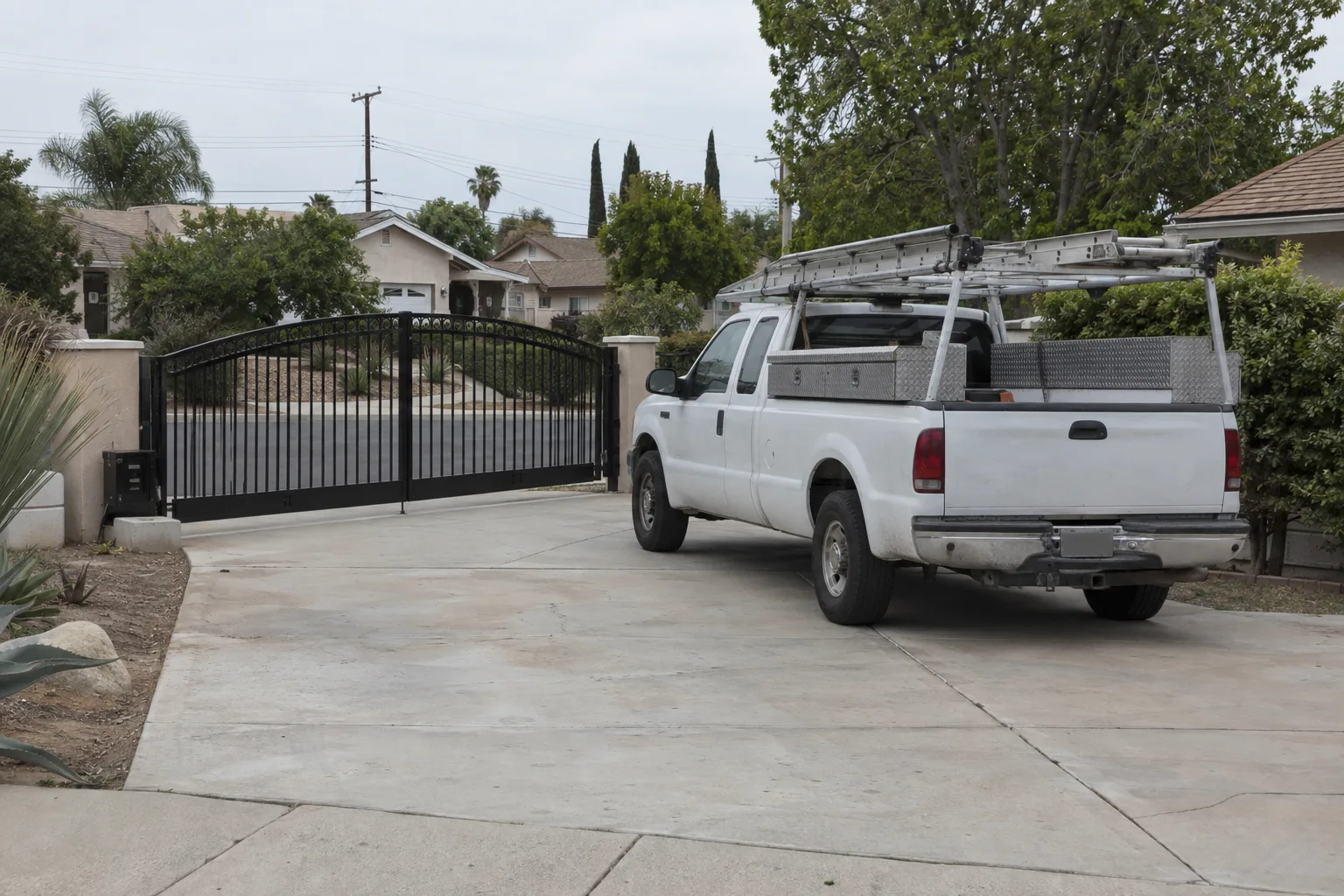
Next steps for your gate or fence project
This guide covers the major jurisdictional rules, but your property's specific situation may have additional factors. Zoning overlays, HOA requirements and parcel-specific conditions all affect what is required.
If you have additional permitting or project questions, visit our common questions about gates and fencing projects page for more detailed answers across a wide range of topics.
If you are planning a gate or fence project anywhere in Greater Los Angeles, we identify the permitting requirements for your specific city before work begins. Call us at 818-399-8524 to talk through your project. We will confirm which building department applies to your address and what the process looks like from there.
Frequently asked questions
Does every automatic gate in Los Angeles require a building permit, or only some?
Every automatic driveway gate in California requires a permit. UL 325 safety compliance, covering entrapment protection and auto reverse, is reviewed during the permit process. The specific building department depends on your city. Encino falls under LADBS. Burbank and Glendale use their own separate divisions. Getting this wrong means unpermitted work that surfaces at resale.
How does Iron Man figure out which permit rules apply to my specific property before quoting?
We look up your parcel and confirm the exact jurisdiction before any quote is written. This takes roughly 20 minutes. Greater Los Angeles contains 88 incorporated cities, each with different thresholds, plan check processes and inspectors. A property in Sherman Oaks follows City of LA rules. A similar property a few blocks away in unincorporated county territory follows LACBS rules entirely.
What does permit-ready project planning actually add to my total cost?
Permit fees vary by city and project scope. What we can confirm: handling permits upfront costs less than retroactive permitting during escrow, which adds weeks of delay and potential price renegotiation. Permitted work is documented work that survives inspection without triggering disclosure complications.
How long does the permit process add to a gate or fence project timeline?
Simple fence permits through LADBS can move within days using the online portal. Santa Monica and hillside-adjacent projects in Glendale typically add two to four weeks for design review or grading assessment. Automatic gate permits requiring C-10 electrical review run longer than standard fence permits. We identify the likely timeline for your jurisdiction before work begins.
My neighbor got a fence installed without a permit and nothing happened. Why should I bother?
Permit enforcement in Los Angeles is inconsistent, but the resale disclosure requirement is not. California law requires sellers to disclose known unpermitted improvements. An unpermitted gate or fence becomes a negotiating point, or a deal killer, at exactly the worst moment. One retroactive permit process during escrow typically costs more in stress and delay than doing it correctly from the start.
What is the risk of hiring a fence contractor who does not check jurisdiction before starting?
The risk is unpermitted work installed under the wrong city's rules. A contractor familiar with City of LA codes may not know that Glendale requires separate plan check for hillside lots, or that unincorporated county parcels go through LACBS, not LADBS. Misidentifying the jurisdiction means wrong permits, failed inspections, or no permits at all.